
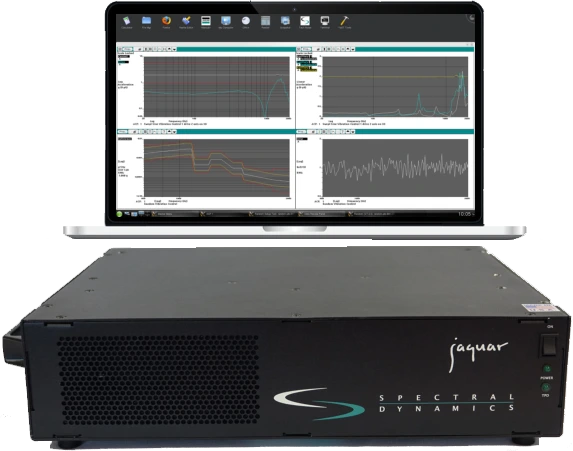
Spectral Dynamics has been the industry leader in vibration control systems, shaker controllers, and environmental testing equipment since 1961. Our advanced vibration test systems serve the most demanding industries worldwide—aerospace, automotive, defense, and electronics—delivering precision, reliability, and innovative control capabilities that set the standard for vibration testing excellence.
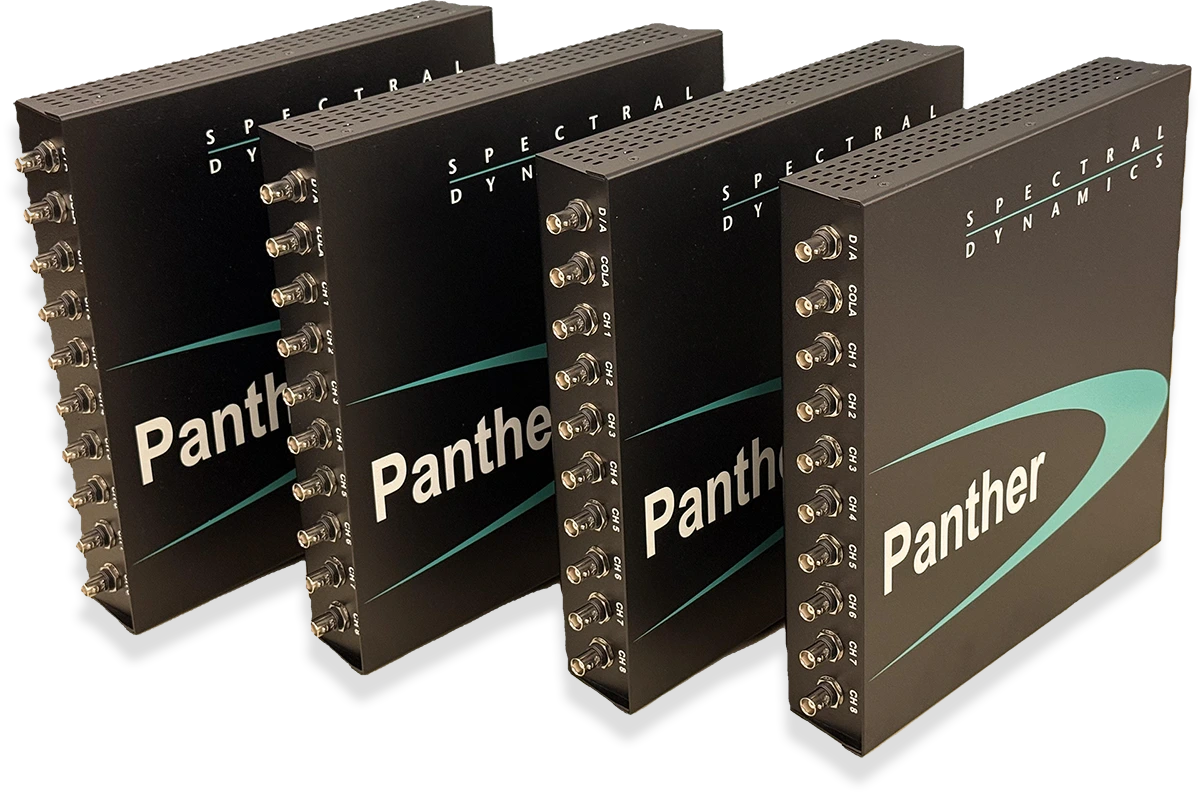
From compact single-axis controllers to sophisticated multi-exciter MIMO systems, Spectral Dynamics provides complete vibration testing solutions for every application. Our flagship Panther vibration control system features 24-bit ADC resolution with >110 dB dynamic range, while our Jaguar multi-axis controller supports up to 588 input channels for the most complex testing scenarios. Whether you need random vibration testing, sine testing, shock testing, or specialized applications like rotating machinery analysis, our comprehensive software suites deliver adaptive control, real-time processing, and unmatched accuracy.
Spectral Dynamics pioneered digital vibration control in 1969, and over nine generations of systems, we've perfected and patented industry-leading technologies. Today, our systems integrate seamlessly with electrodynamic shakers, hydraulic exciters, and complete environmental test chambers. Advanced features include MISO/MIMO control, field data replication, shock synthesis, and comprehensive analysis tools—all backed by worldwide technical support and extensive customer training programs.
Discover why aerospace manufacturers, automotive testing laboratories, defense contractors, and electronics manufacturers trust Spectral Dynamics for their critical vibration testing needs. Our engineering-first approach combines honest specifications with proven performance, ensuring your test results meet the most stringent industry standards including MIL-STD-810, RTCA DO-160, ISO 16750, and ASTM protocols.
Spectral Dynamics manufactures industry-leading vibration control systems and environmental testing equipment for aerospace, automotive, defense, and electronics industries. Since 1961, we've delivered precision shaker controllers and complete vibration testing solutions trusted by manufacturers worldwide.
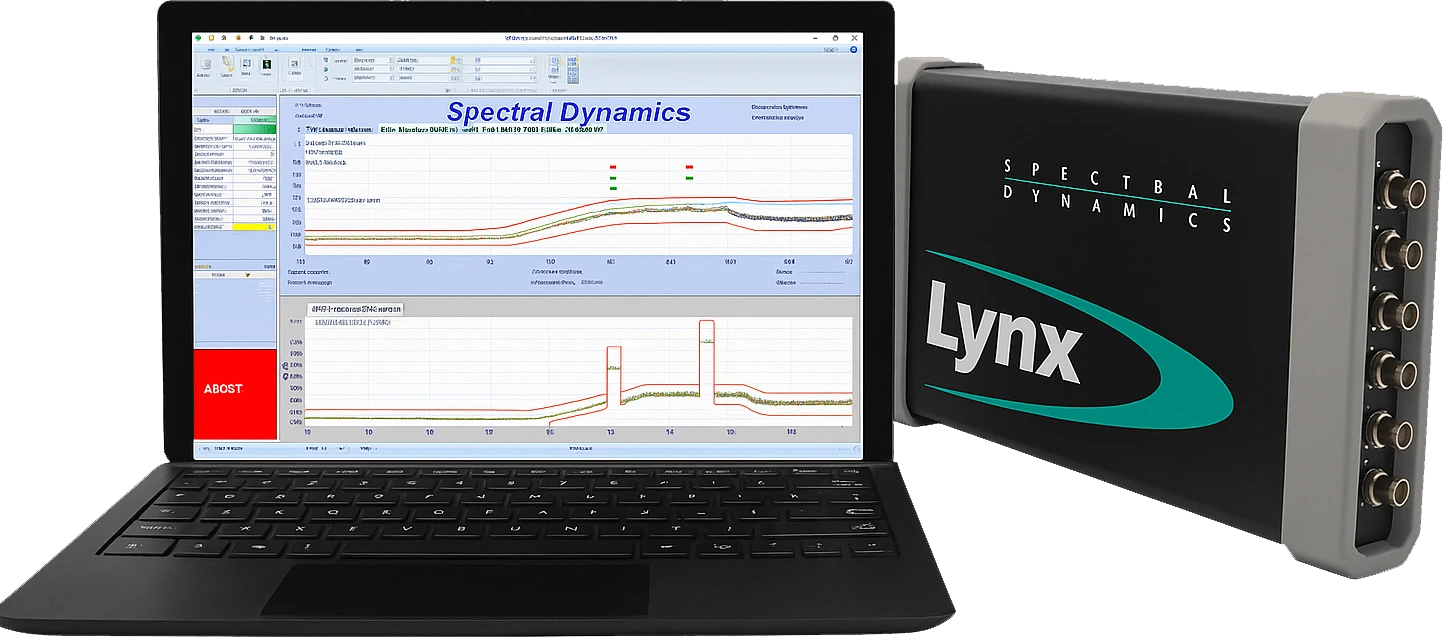
Our Panther vibration control system features 24-bit ADC resolution with >110 dB dynamic range, supporting random, sine, shock, and specialized testing applications. The Jaguar multi-axis controller provides MIMO capabilities with up to 588 input channels. The compact Lynx system delivers powerful control in an affordable, expandable platform ideal for production testing.
Spectral Dynamics pioneered digital vibration control in 1969, developing patented adaptive control algorithms and real-time processing technologies. Our complete software suites include random vibration, swept and stepped sine, shock synthesis, field data replication, rotating machinery analysis (RMA), and comprehensive measurement tools. All systems integrate seamlessly with electrodynamic shakers, hydraulic exciters, and environmental chambers.
From single-axis controllers to sophisticated 24-drive multi-shaker systems, Spectral Dynamics provides vibration testing solutions that meet MIL-STD-810, RTCA DO-160, ISO 16750, and ASTM standards. Contact our team to discuss your testing requirements and discover why leading manufacturers choose Spectral Dynamics for critical environmental testing applications.















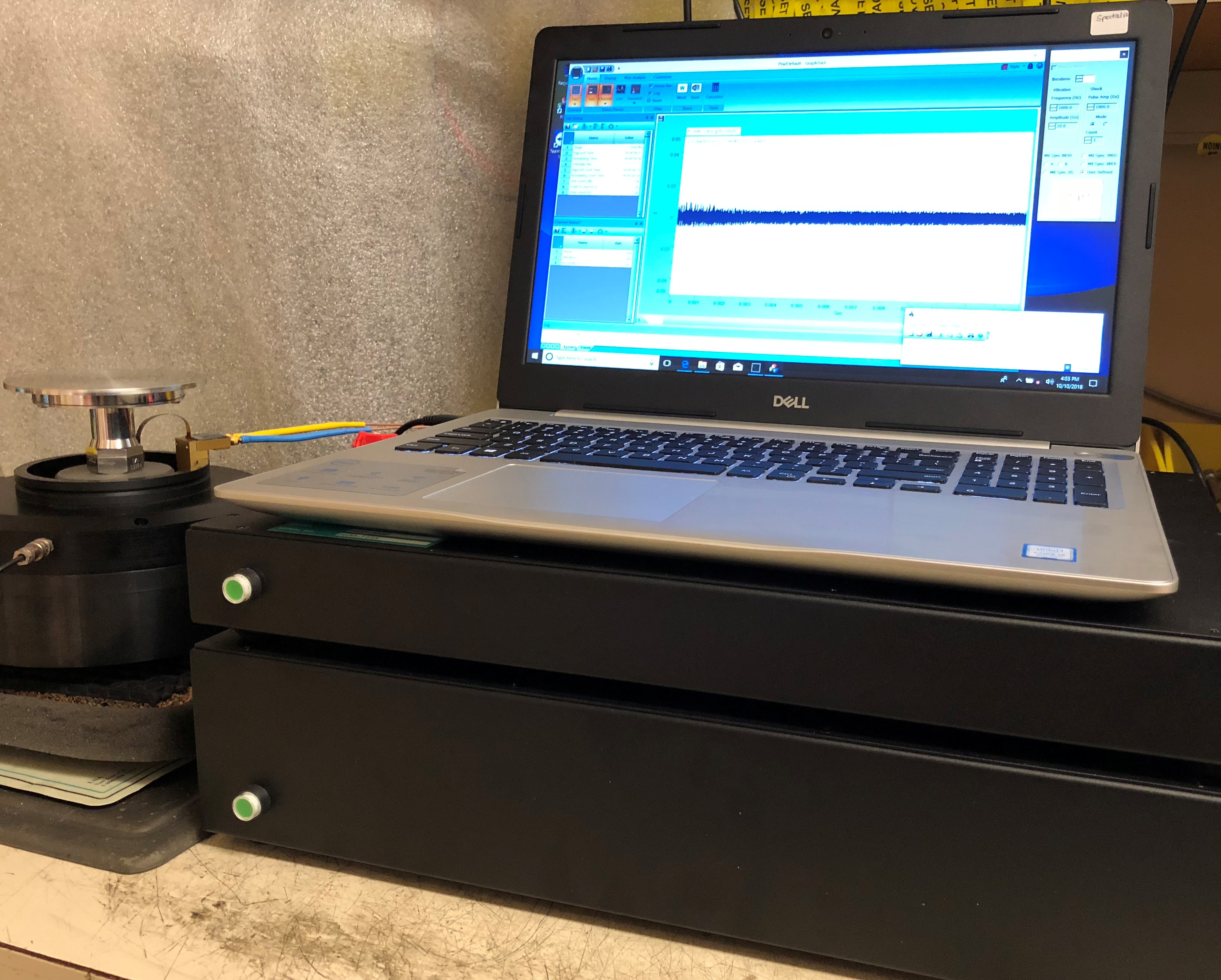
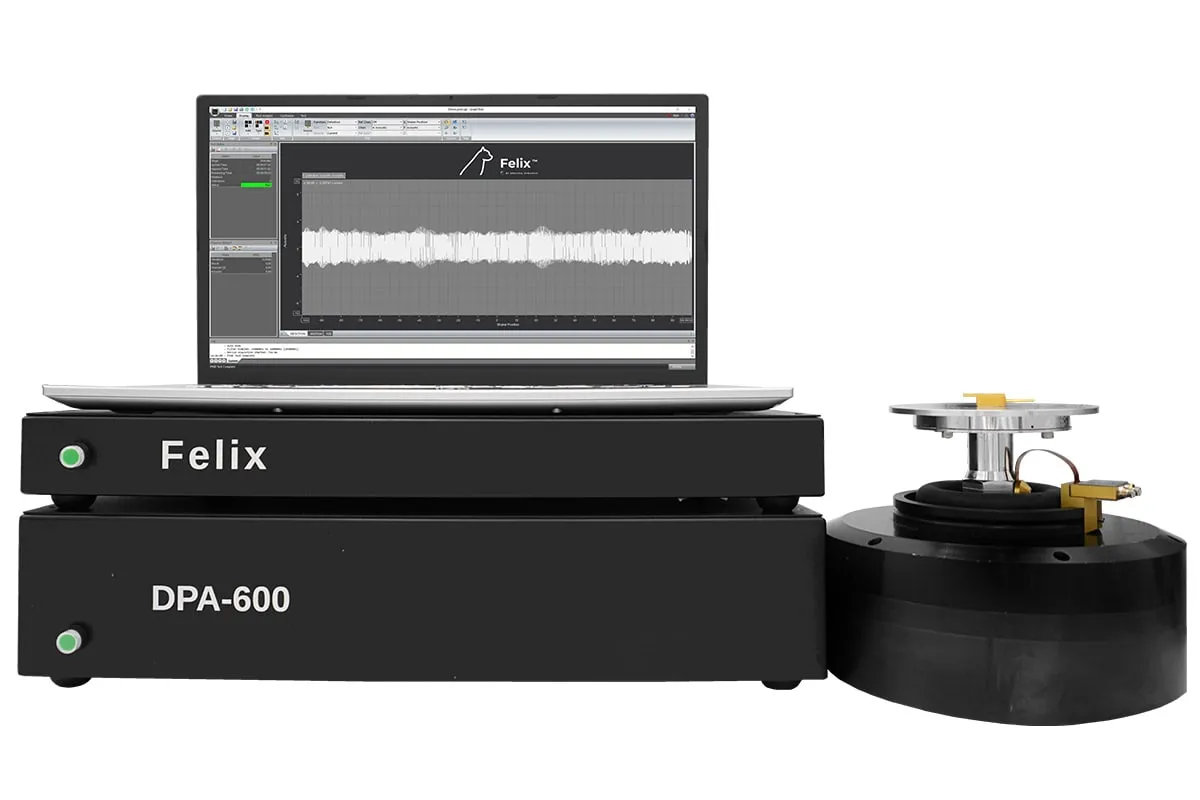
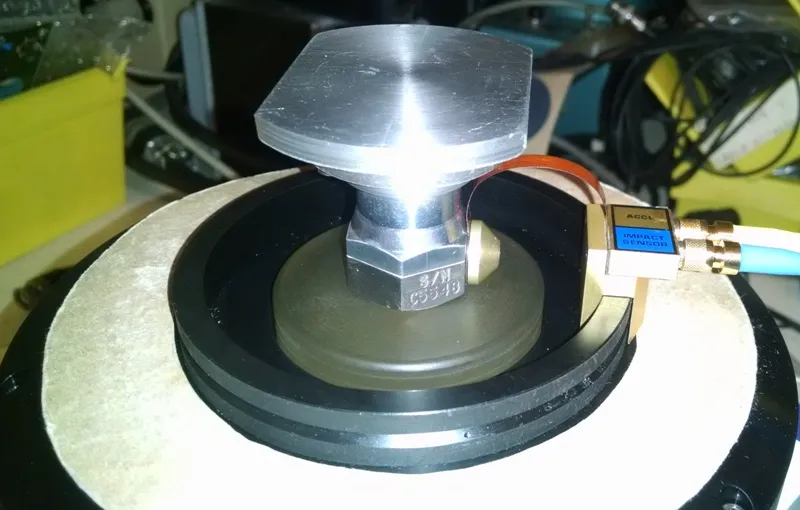
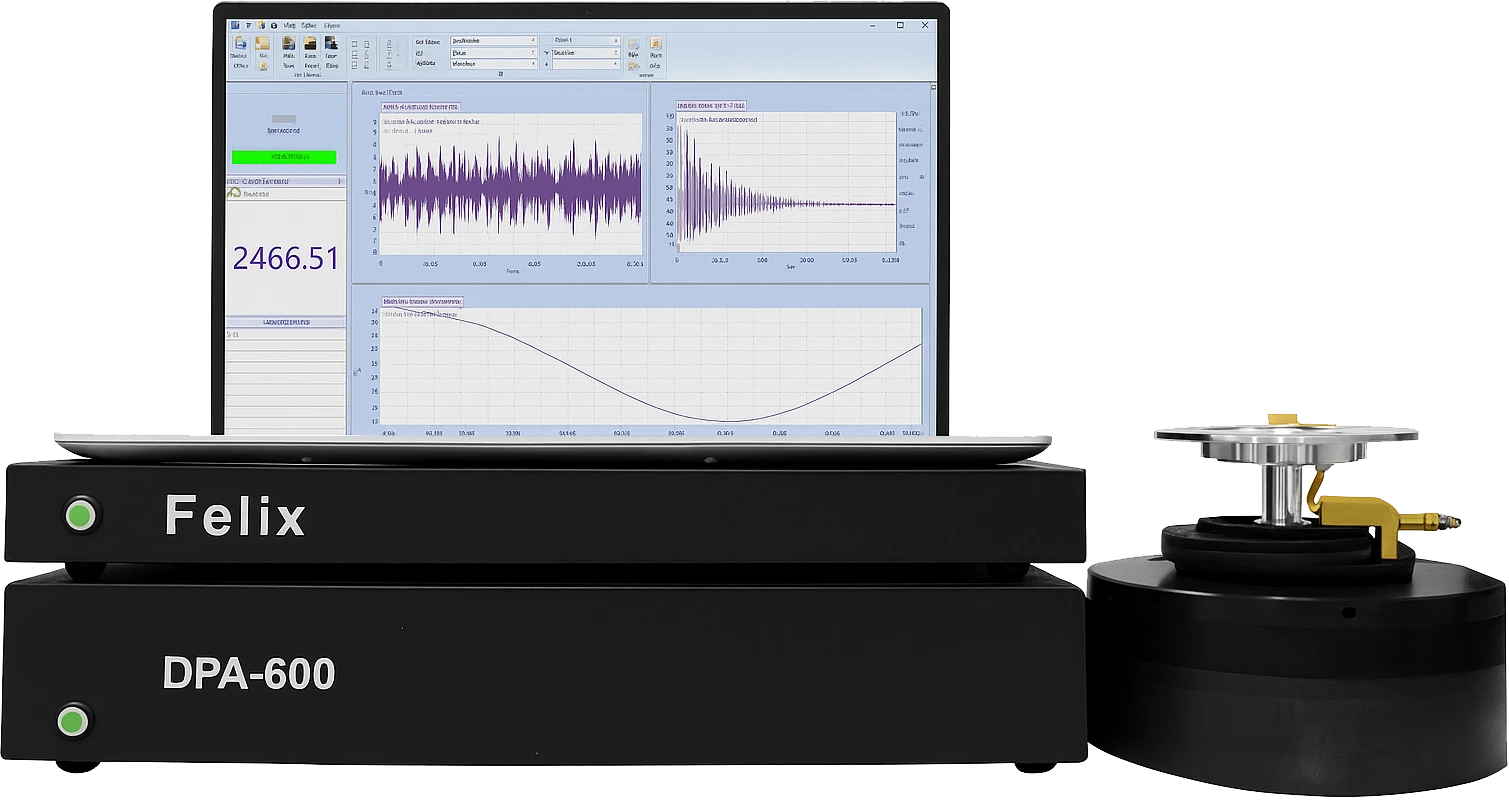
 The shock is used in the PIND test to free particles that adhere to the cavity wall. The smaller particles are more prone to exhibit the property of adhesion and stop moving during the vibration cycle. The shock amplitude must be held to within 20%.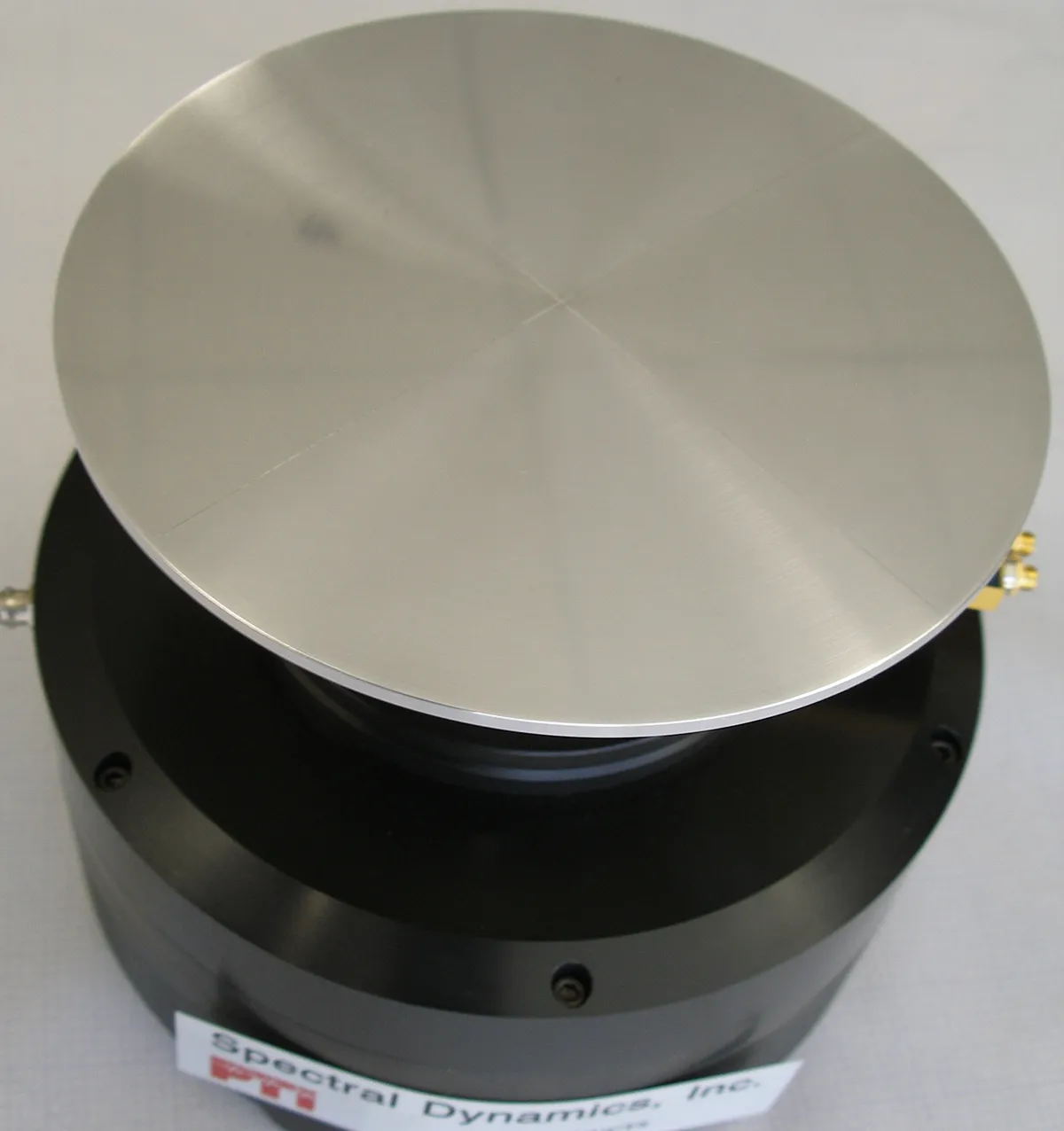
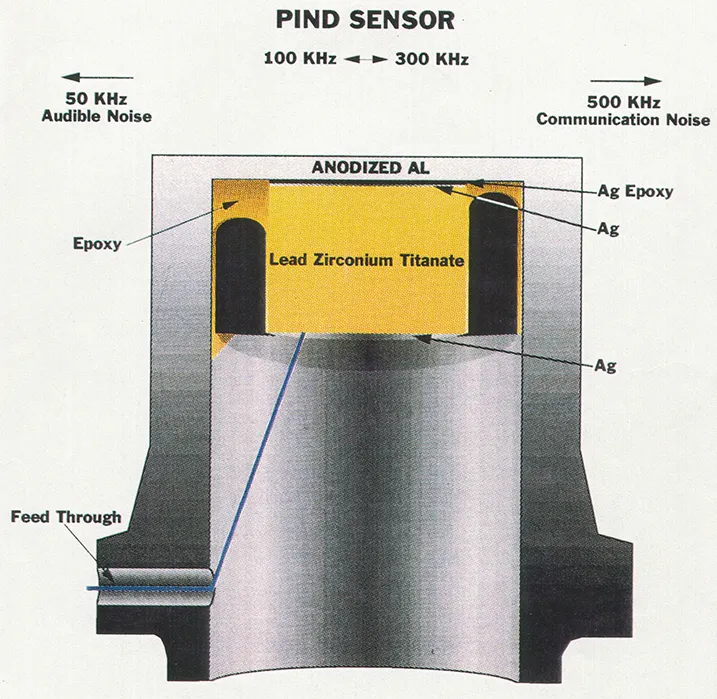
 As the sensor crystal and the source of the acoustic wave get farther apart the measured energy is reduced. JEDEC Recommended Practice 114 graphically outlines the decay of detection is down to less than 50% at distances over 0.75 in from the impact site. For the PIND test it is then important that the lid of the part to be tested be placed a close to the crystal in the sensor as possible. The Model 100-5S155-4 sensor incorporates five separate impact detection crystals within the single sensor. The most sensitive area of the sensor are those areas where each detection crystal is located. For testing small parts, it is important to place the part directly on one of the four target areas.